English: Writing
We love writing at Elms Farm
Hello! My name is Mrs. Ruddock and I have the pleasure to lead writing at Elms Farm Primary school. I believe that spoken and written work is a key to success in the future and therefore, it is vital that all our children here leave being fluent speakers and writers.
At Elms Farm, we believe that every child is a writer. Our bespoke writing curriculum is designed to nurture confident, creative, and capable writers through a consistent, whole-school approach ensuring strong foundations. While our scheme is tailored to meet the needs of our pupils and community, it is underpinned by the core principles of Talk for Writing—a pedagogy that values the power of oral language, modelled texts, and purposeful writing (Dockrell, Marshall and Wyse 2015).
We know from research that “oral language is the foundation of literacy development” (EEF, 2025), and our approach reflects this. Children are immersed in rich, high-quality texts and taught to internalise language patterns through storytelling, drama, and shared writing. This helps them to build the vocabulary, sentence structures, and confidence they need to express themselves with clarity and flair right from the start of Nursery and again ensures firm foundations.
Our curriculum is carefully sequenced to ensure that children develop strong transcriptional skills alongside composition. As highlighted in the DfE’s Writing Framework (2025), we support pupils to “compose orally, rehearse sentences aloud, and use talk as a scaffold before writing.” Grammar and punctuation are taught in context, embedded within meaningful writing opportunities rather than isolated exercises.
By combining the best of evidence-informed practice with our own creative, contextualised planning, we aim to foster a love of writing that lasts a lifetime.
Oracy workshops
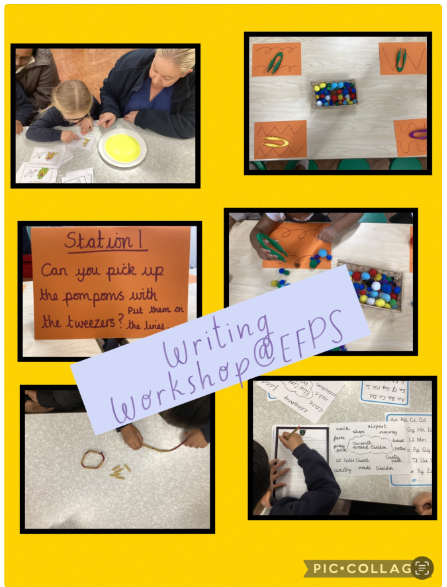
This half term all of our year groups have run an oracy workshop where our parents worked with their children to complete fun talking and writing tasks which they presented at the end of the session. We spoke about how important oracy is at home and how we can use the newsletters and class dojo to talk to our children about the learning and opportunities they have in school. We also played lots of talking games and had a lot of fun together.
Structure of lessons
|
Each half term, our children will have the opportunity to read and write a narrative, a non-fiction text and a poem. They will explore a wide range of text types, using these as inspiration to write their own. Texts have been carefully selected to provide inspiring, high-quality models and context for our children. Our curriculum draws on classical works and invites the children to explore recently published work. Our progressive English curriculum has been developed alongside our wider curriculum. Cross-curricular links are used to build understanding and develop a broader view, providing our children with greater contextual understanding. Our Long-Term Plan is focused around 'Key Objectives' that we expect pupils to master by the end of each year group. We also use 'Unacceptable Errors' to minimise repeated errors in our writing. |
Handwriting
We have high expectations of our children. It is important to us that all Elms Farm children leave school with a high level of literacy. We teach handwriting daily using the Handwriting Pathway. This begins with the development of fine motor skills through the EYFS and progresses through to letter formation and finally to joining. All children begin their writing journey with supportive handwriting lines and graduate from these in Key Stage Two. Our children take pride in their work!
Elms Farm Writing
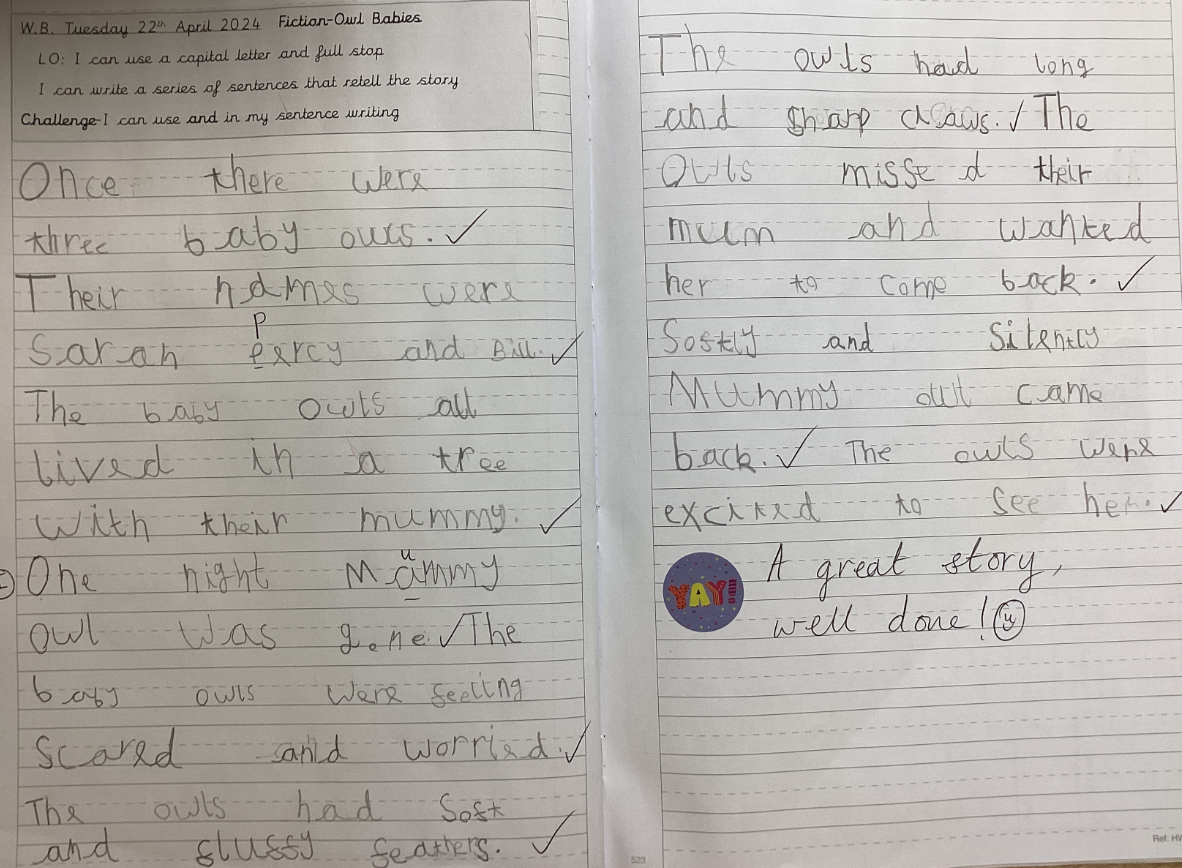
Year 1
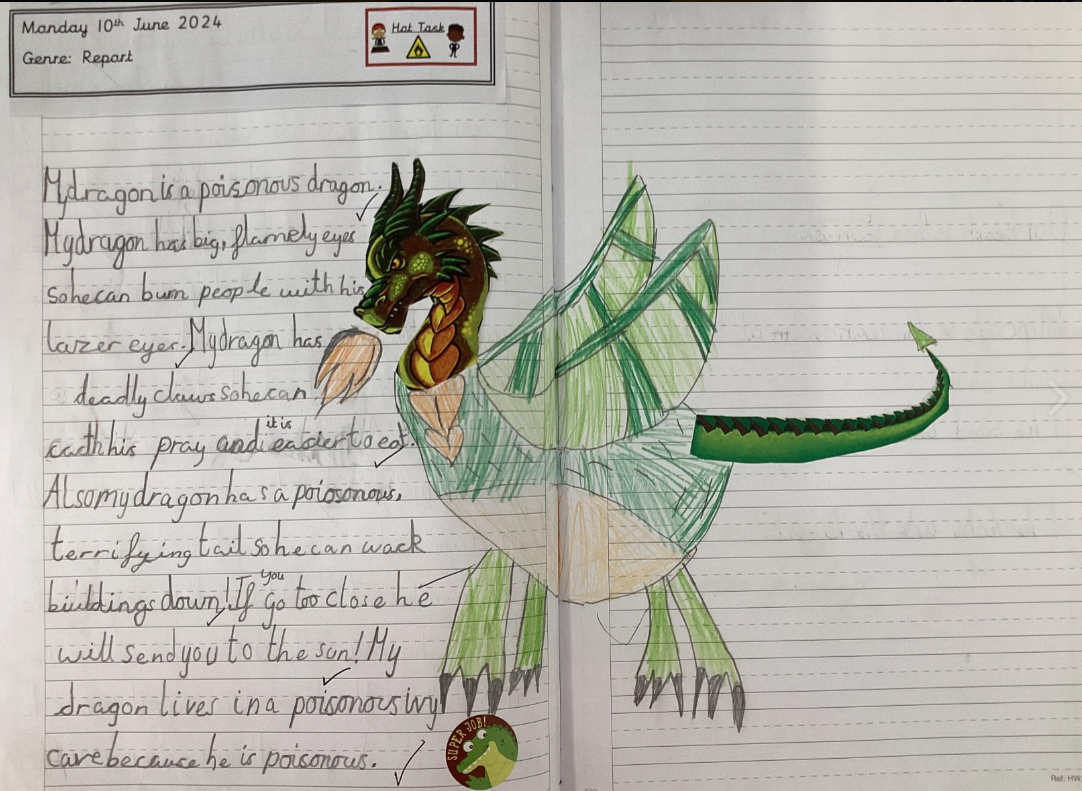
Year 2
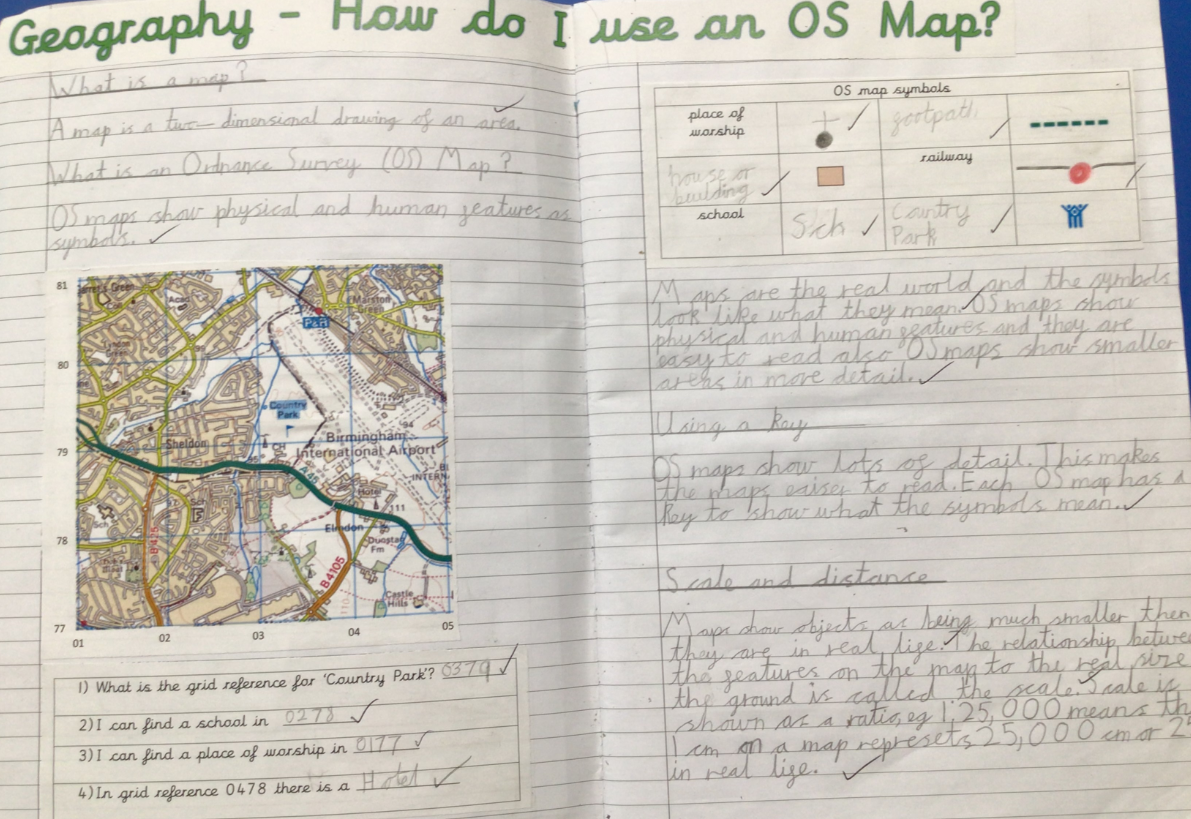
Year 3
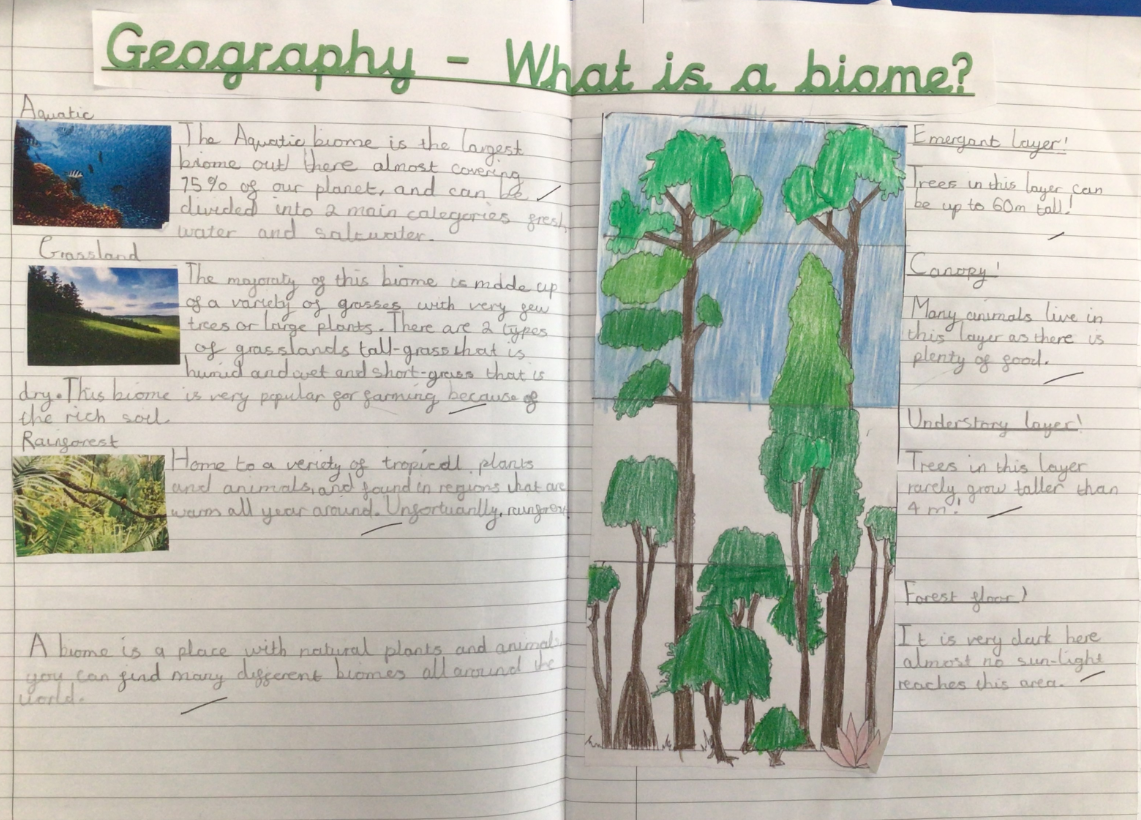
Year 4
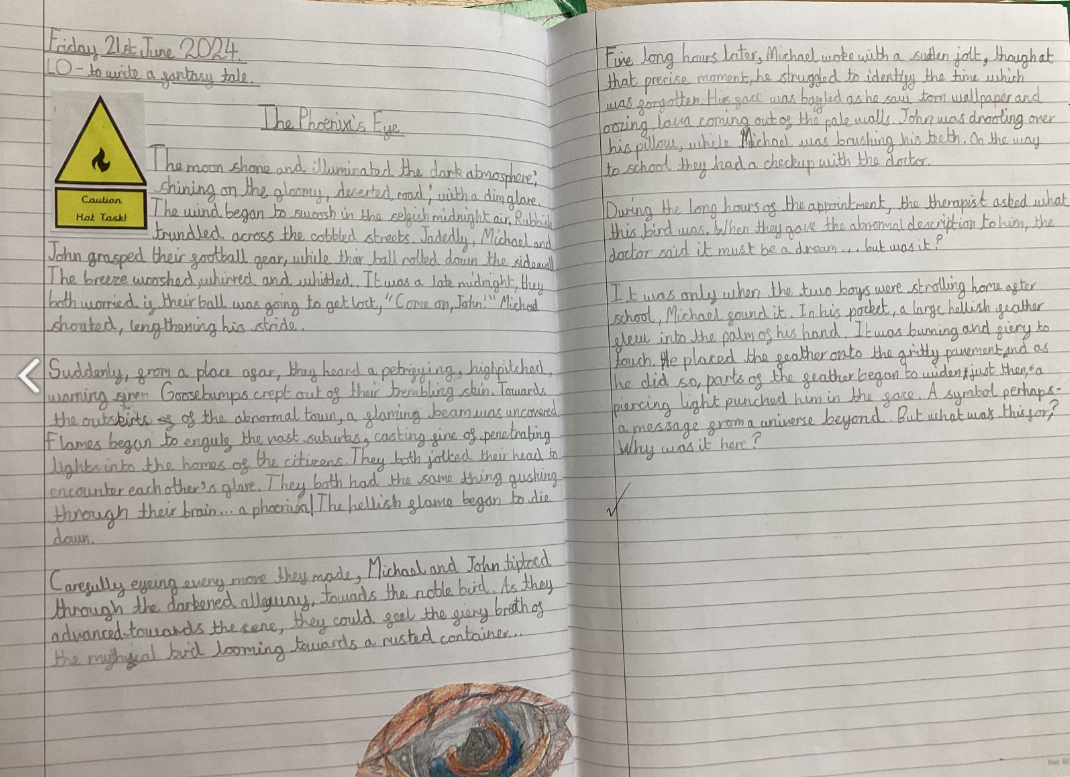
Year 5
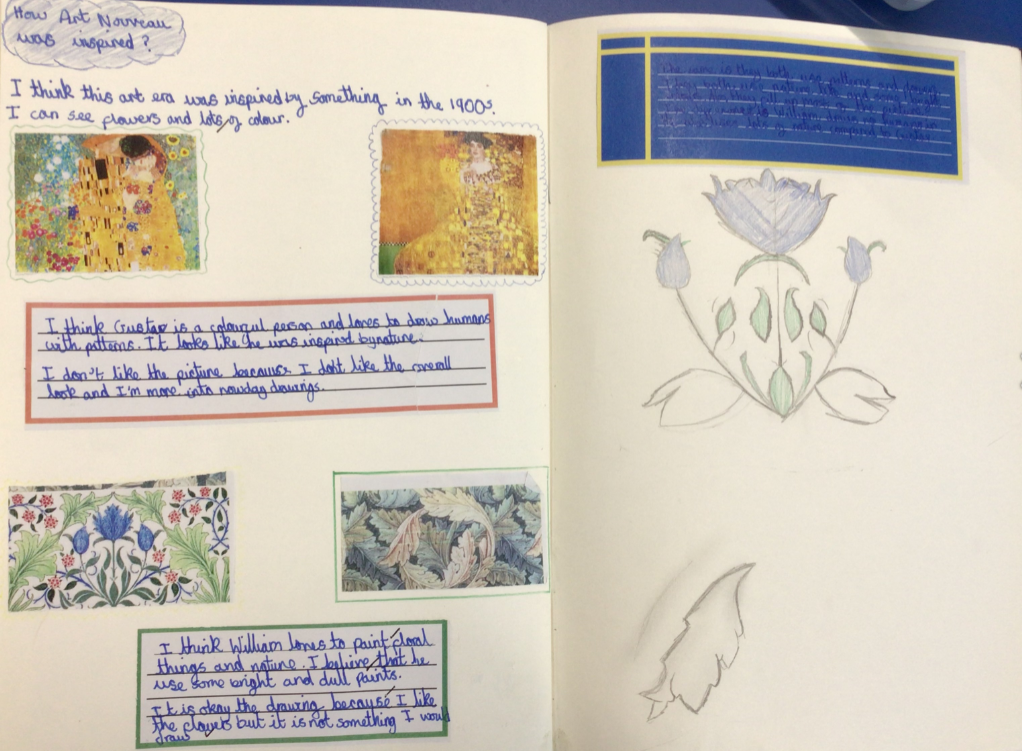
Year 6
Writing Across the Curriculum
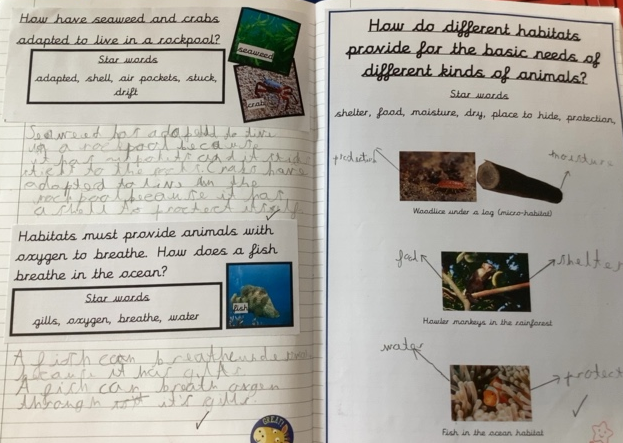
Writing is planned throughout our curriculum to enable our pupils to apply and present their ideas (an important life skill). Our children love writing in their Topic and Science lessons; in fact, they tell us that this is one of the main things that they love!