Science

Science at Elms Farm
Hello, I’m Miss Osborne and I have the pleasure of leading Science at Elms Farm. I love science because it makes me see the world in a whole new way. I’m always amazed at how things work — from how plants grow to how the universe began. Science answers my questions but also makes me curious to learn even more. It’s exciting to know that there’s always something new to discover and understand.
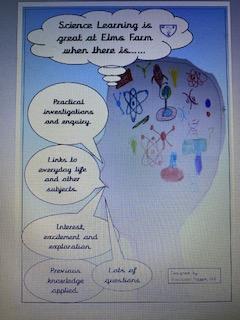
At Elms Farm Primary School we value Science because it makes an increasing contribution to all aspects of our everyday life. All children are naturally curious about their environment and Science is a practical way of finding reliable answers to questions we may ask about the world around us. Science in our school is about developing children’s ideas and ways of working that enable them to make sense of the world in which they live through investigation, as well as using and applying process skills.
We believe the primary aims of teaching science at Elms Farm are to:
-
Develop a sense of wonder and curiosity about the natural environment.
-
Nurture scientific attitudes such as objectivity, critical thinking, and problem-solving.
-
Introduce basic scientific concepts and processes through real-life contexts.
-
Build a foundation for lifelong learning and environmental responsibility (Osborne & Dillon, 2008).
Furthermore, according to the National Research Council (NRC, 2012), early science education should engage students in doing science—observing, questioning, experimenting, and reasoning. ( National Research Council NRC, 2012) We strive to ensure our lessons are planned to include these fundamental principles.
Our lessons ensure substantive knowledge of the "what," referring to established facts, concepts, and vocabulary, while disciplinary knowledge is the "how" of science, encompassing the skills and methods scientists use to conduct investigations, like designing experiments and analysing data, are taught to our children. (Harlen, W. (2010). Principles and Big Ideas of Science Education. Association for Science Education.)
Our vision:
- To prepare our children for life in an increasingly scientific and technological world today and in the future.
- Help our children acquire a growing understanding of the nature, processes and methods of scientific ideas.
- Help develop and extend our children’s scientific concept of the world.
- Build on our children’s natural curiosity and develop a scientific approach to problems.
- Encourage open-mindedness, self-assessment, perseverance and developing the skills of investigation – including: observing, measuring, predicting, hypothesising, experimenting, communicating, interpreting, explaining and evaluating.
- Develop the use of scientific language, recording and techniques.
- Develop the use of computing in investigating and recording.
- Make links between Science and other subjects.
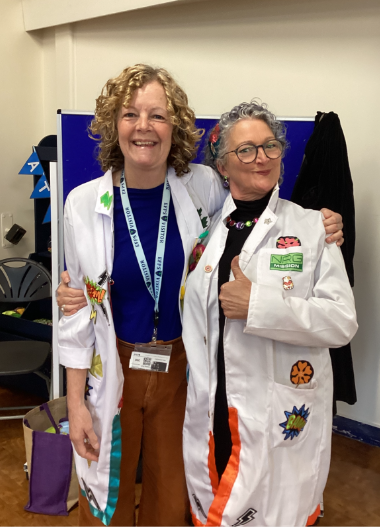
Energy visitors
In October, we had a couple of mad professors coming in to talk to us about saving energy and how we can make a difference on our planet. We had an assembly and then completed workshops in classes. At the end of the day all the children made a pledge to help support reducing energy at home and school.
Learning journeys
|
|
|
|
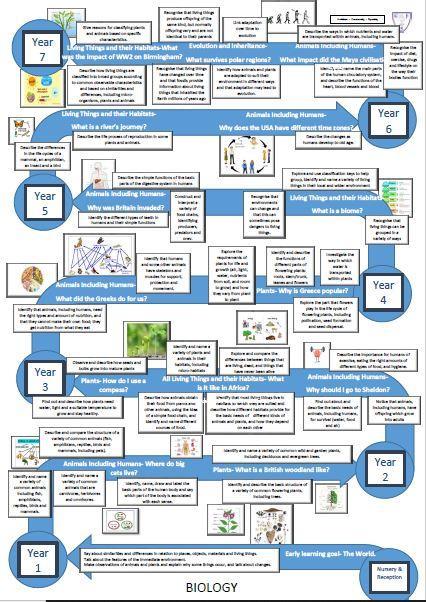
- Whole school science learning journey: biology
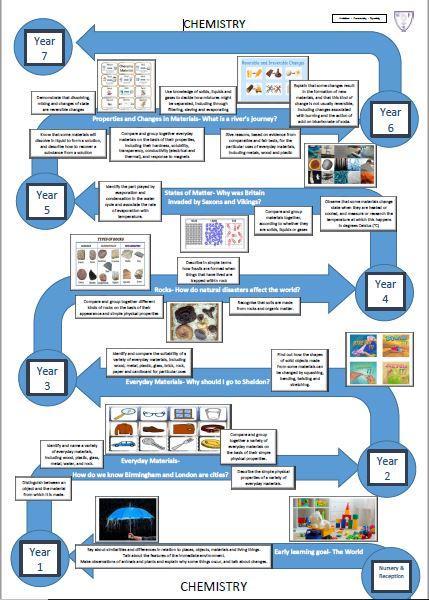
- Whole school science learning journey: chemistry
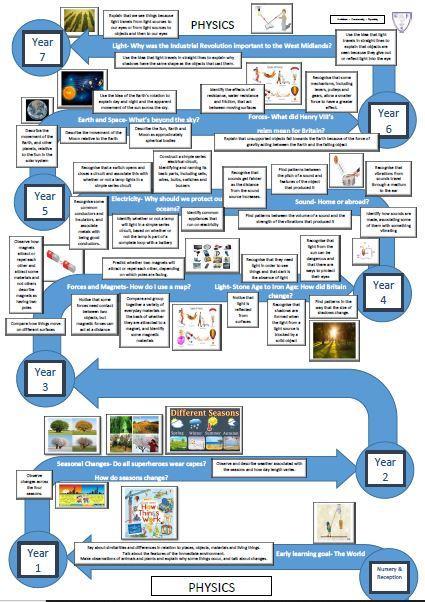
- Whole school science learning journey: physics
Documents
Links
-
STEM A way for parents to develop science experiences at home
-
School Run Develop your child's passion for science at home
-
Science at home. Science experiments using what you have at home
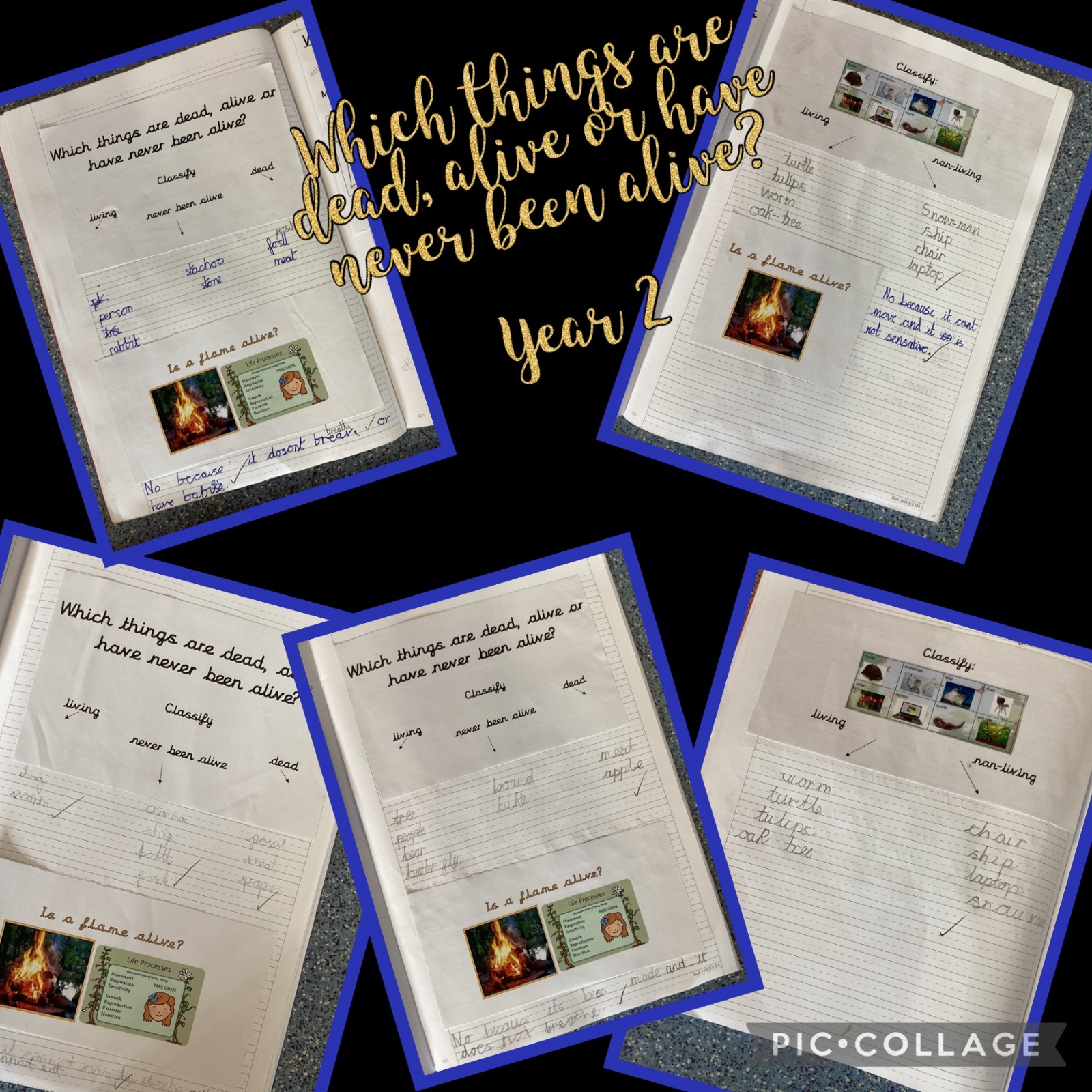
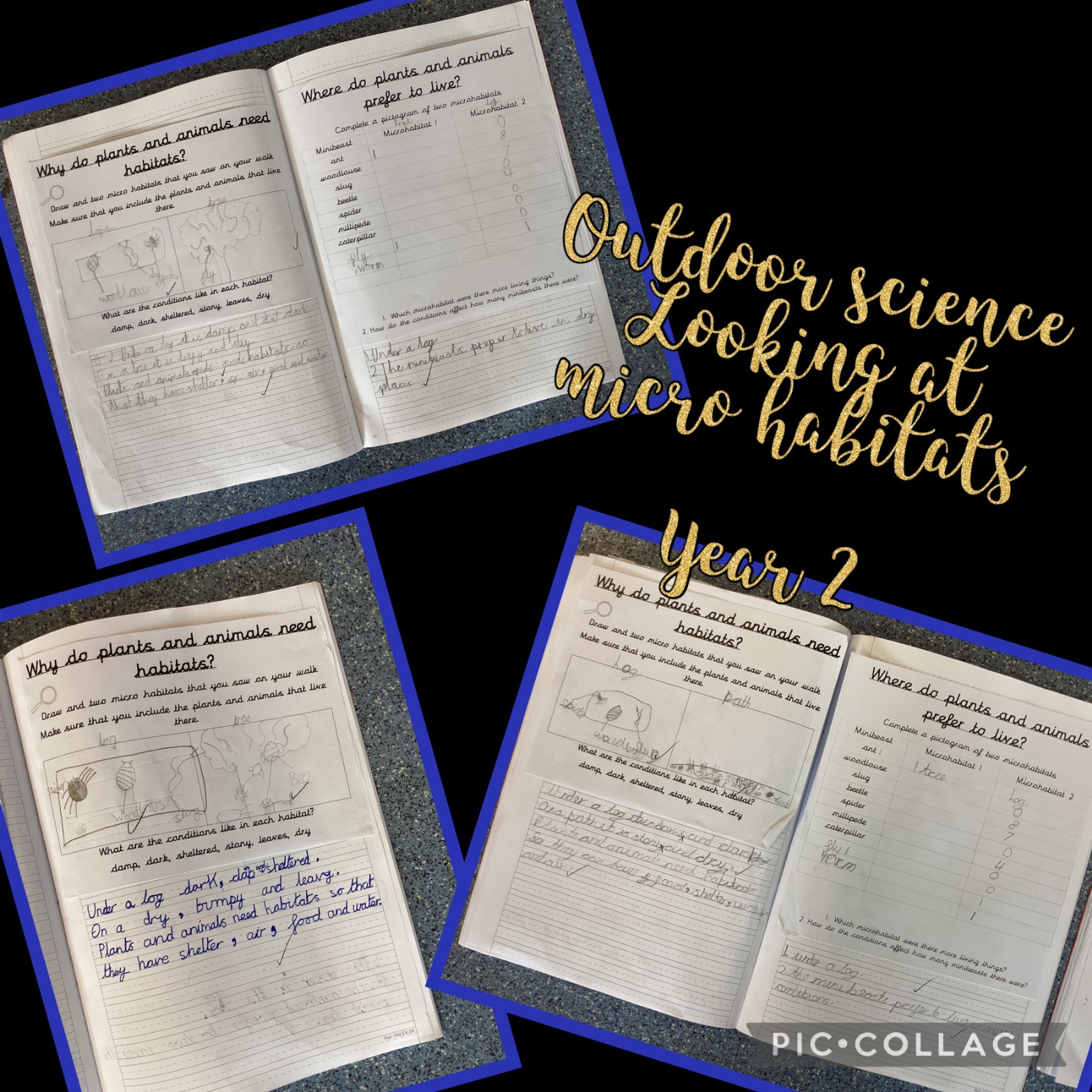
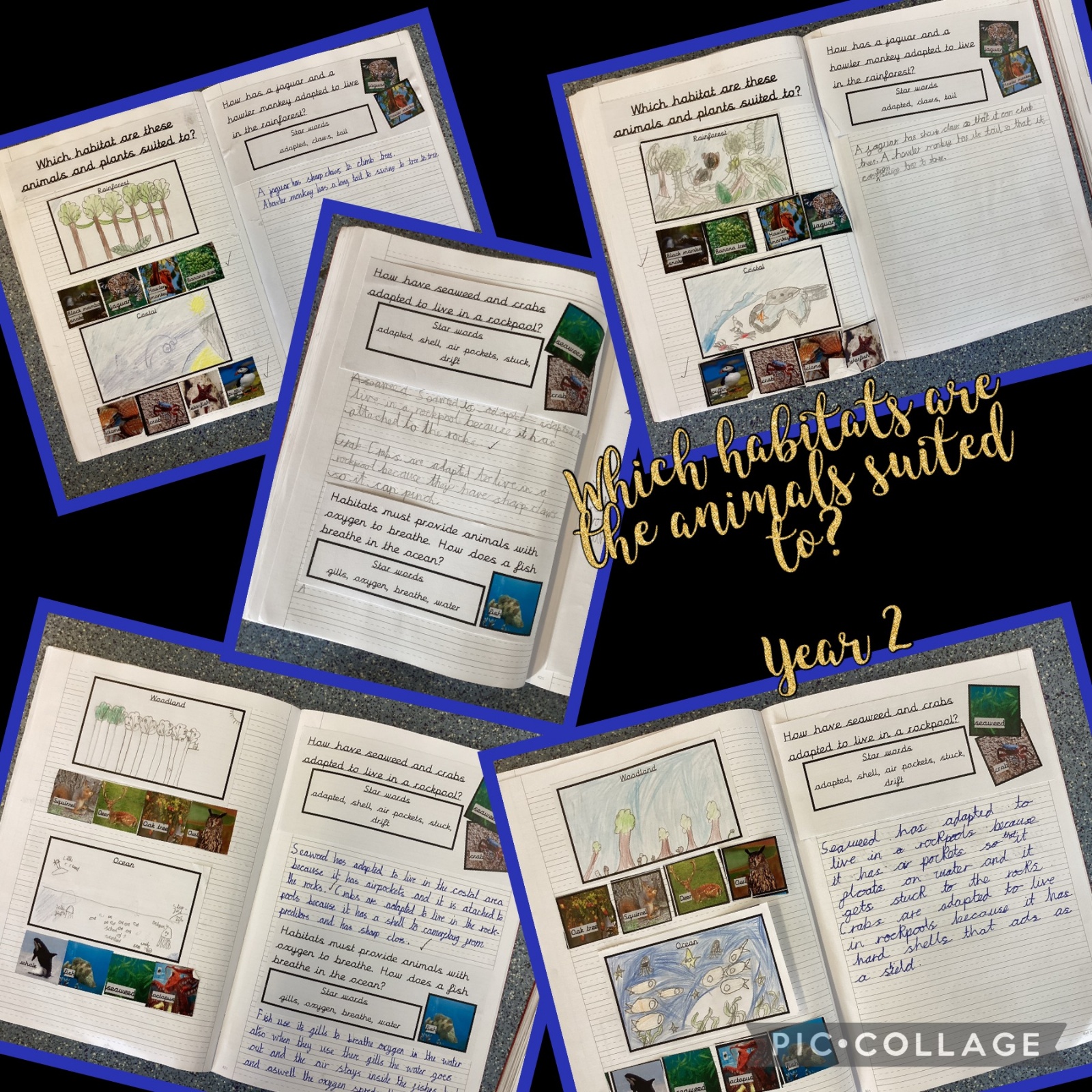
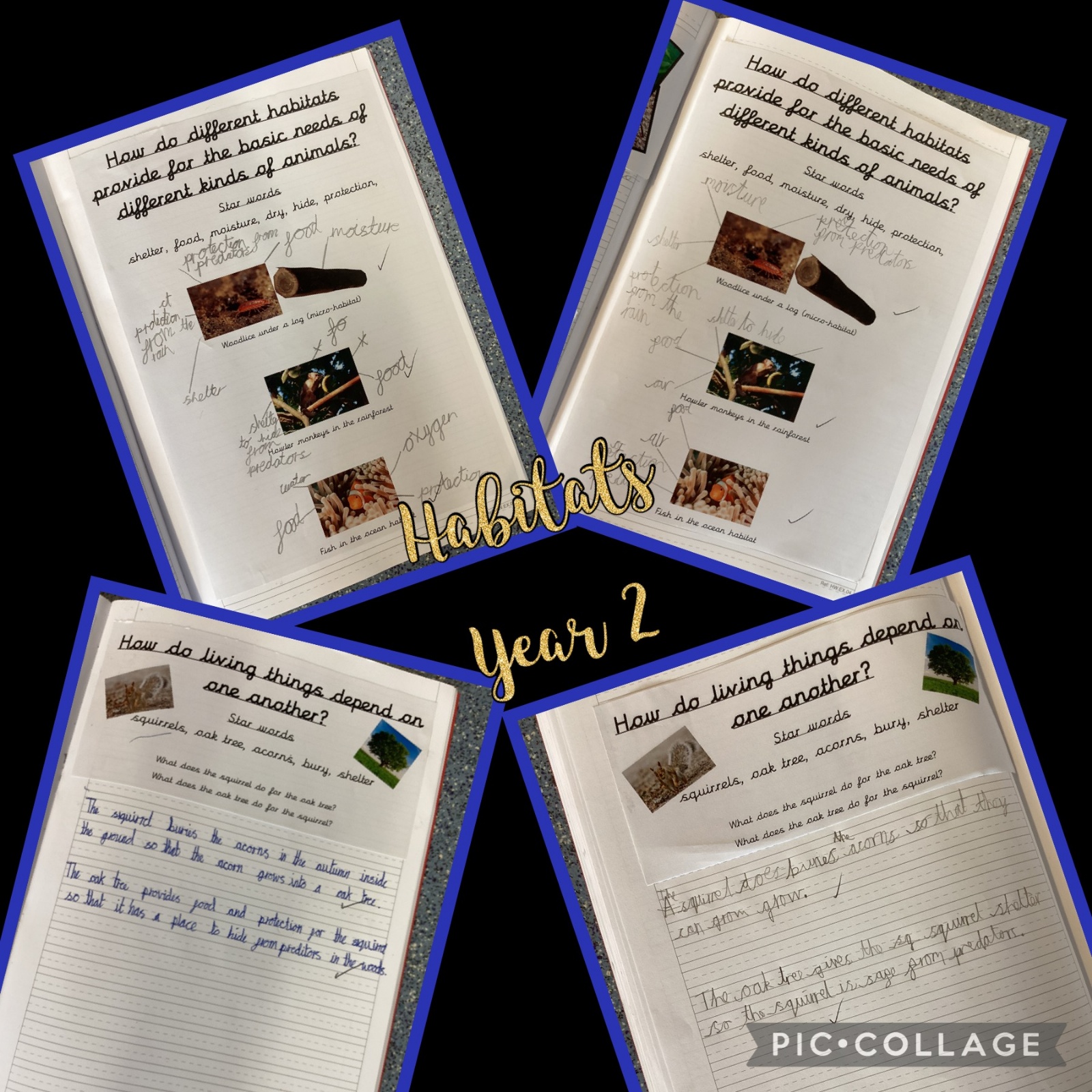
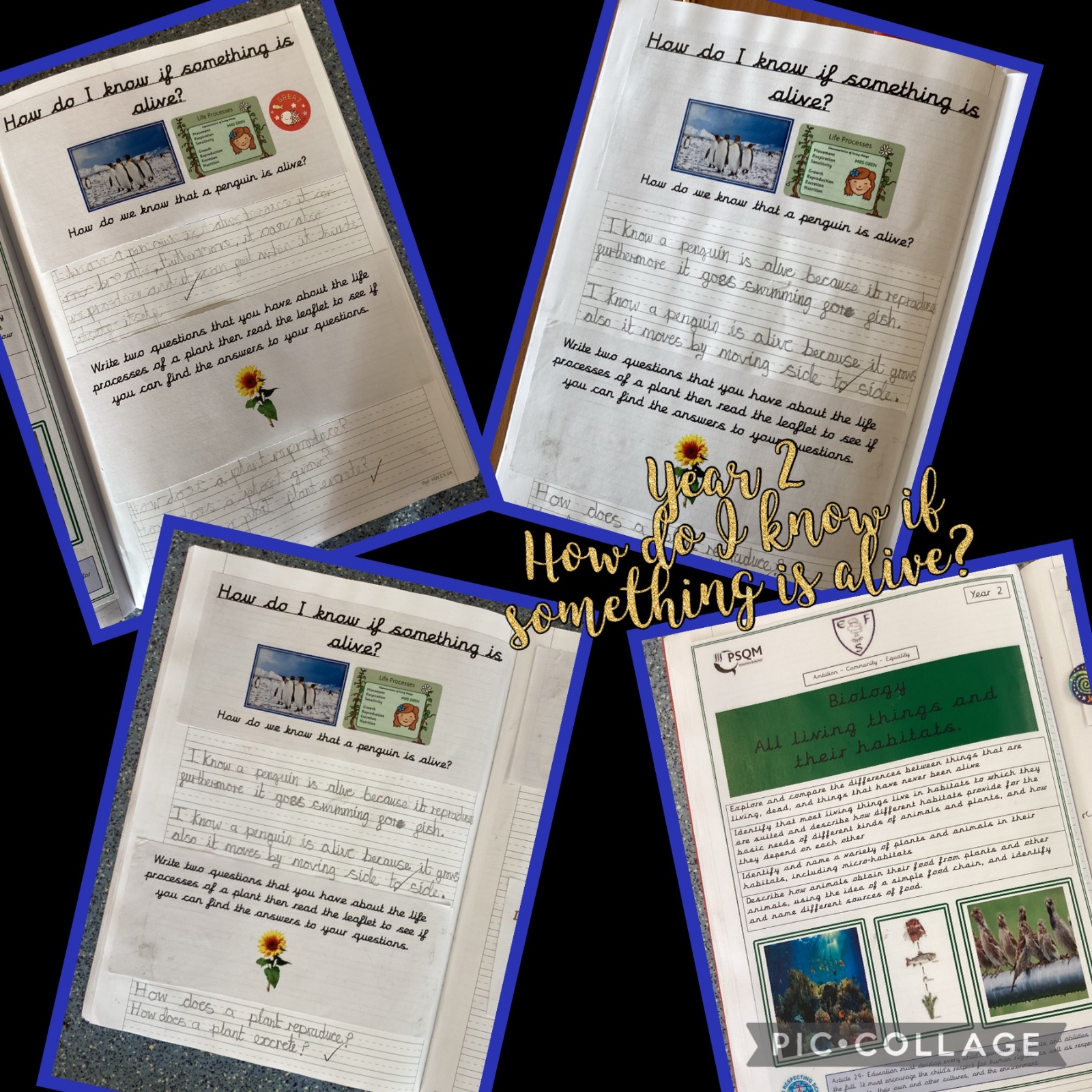
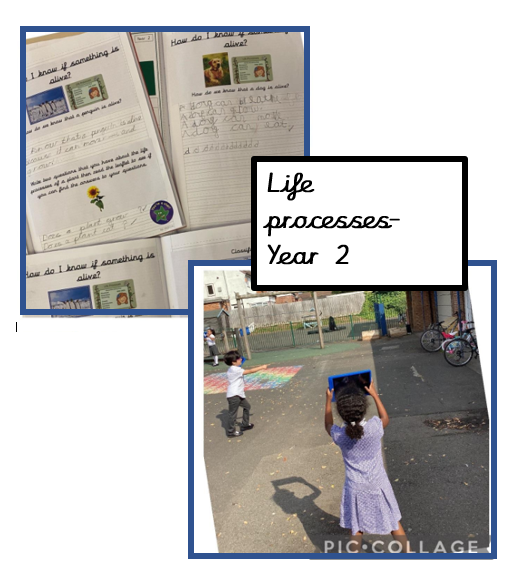
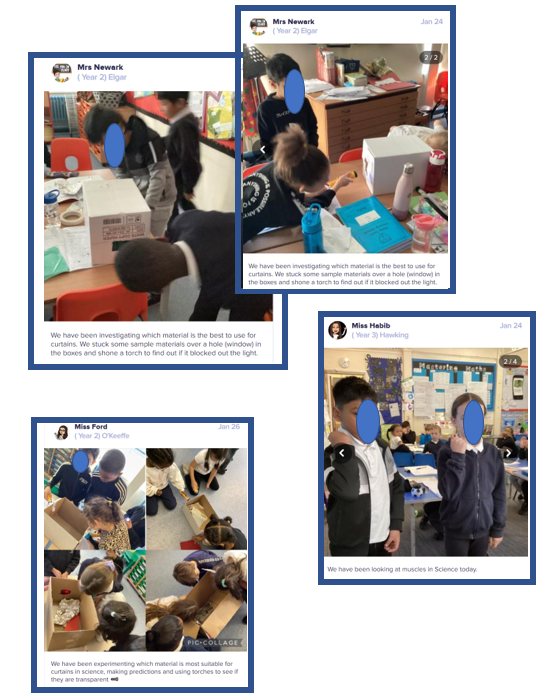
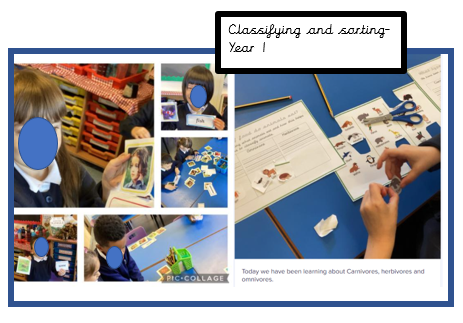
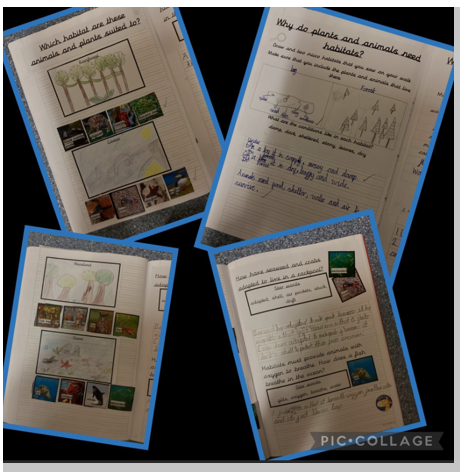
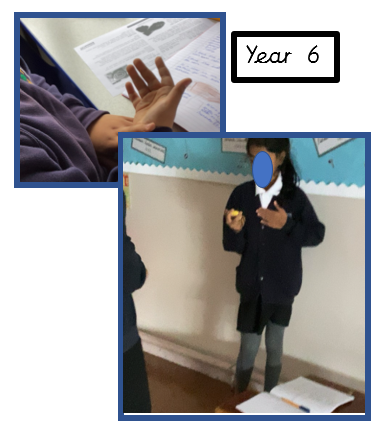
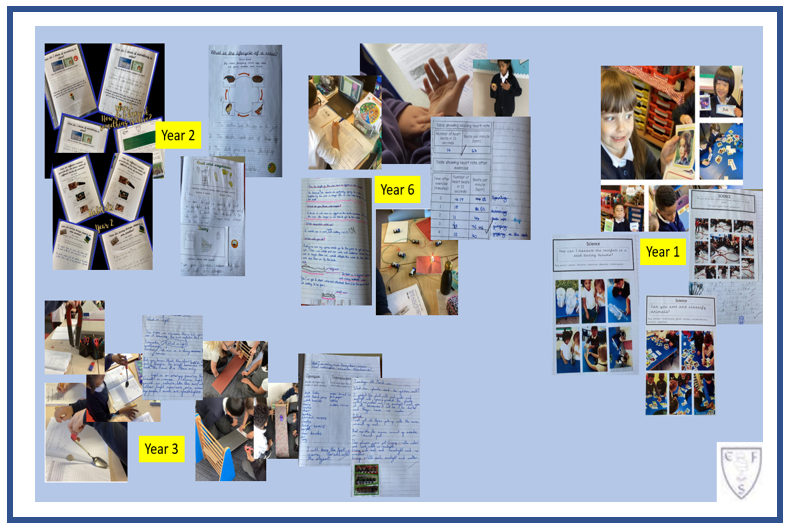
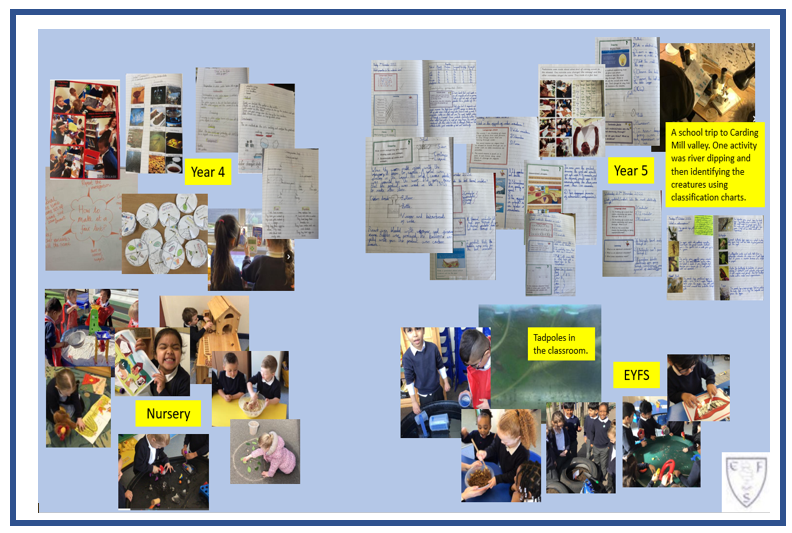
Look at some of our work.